DAYFORMMonday, 08:42
The dayis yours
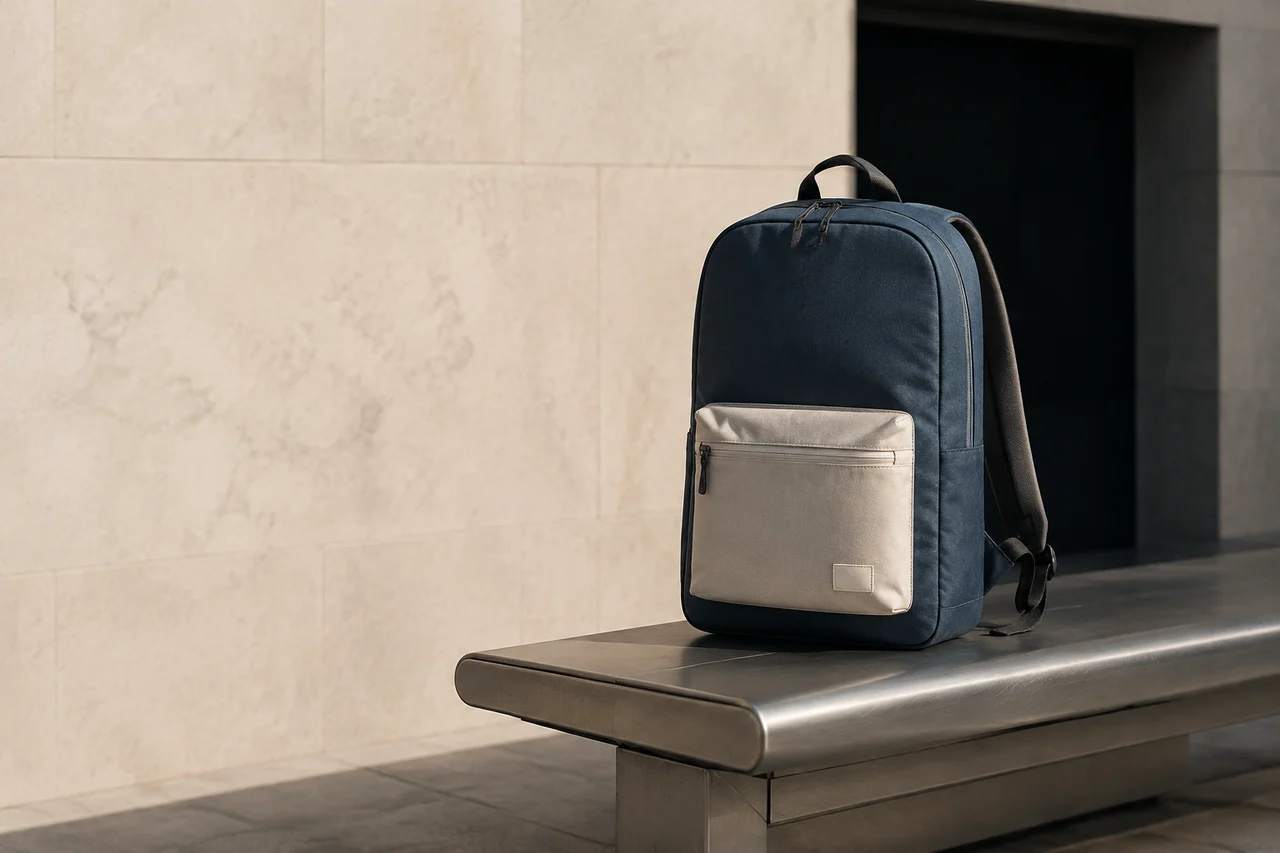
A place for your laptop. Room for the rest of the day.
The everyday backpack18 L / Slate & natural
What if you changed the price, led with a different message or launched somewhere else? Explore how customers might respond before committing the campaign and budget.
Explore the modelThe market model
Someone sees the ad, compares a cheaper option and asks a friend. They may buy next month, or decide their old product is good enough. Signyl models those choices across people, competing offers and time.
Experience, needs, habits, trust, attention and constraints. The population includes people who are unlikely to buy as well as people already looking.
Competing offers, available channels, prices, seasonality and the friction of buying. The comparison begins with what might happen if you change nothing.
Change the message, price, channel mix or launch sequence. Define what changes, what stays fixed and what the decision is meant to achieve.
Track attention and familiarity as people encounter the campaign, talk to others and decide whether to buy again. Channel effects overlap, and competitors can respond.
Each result includes its assumptions and evidence coverage for the audience, decision and time horizon. Use the model to compare possibilities, then test the important conclusions in the market.
Try a campaign
Choose a commuting or weekend campaign. The product page, email and search content change with it.
A place for your laptop. Room for the rest of the day.
The everyday backpackA place for your laptop. Room for the rest of the day.
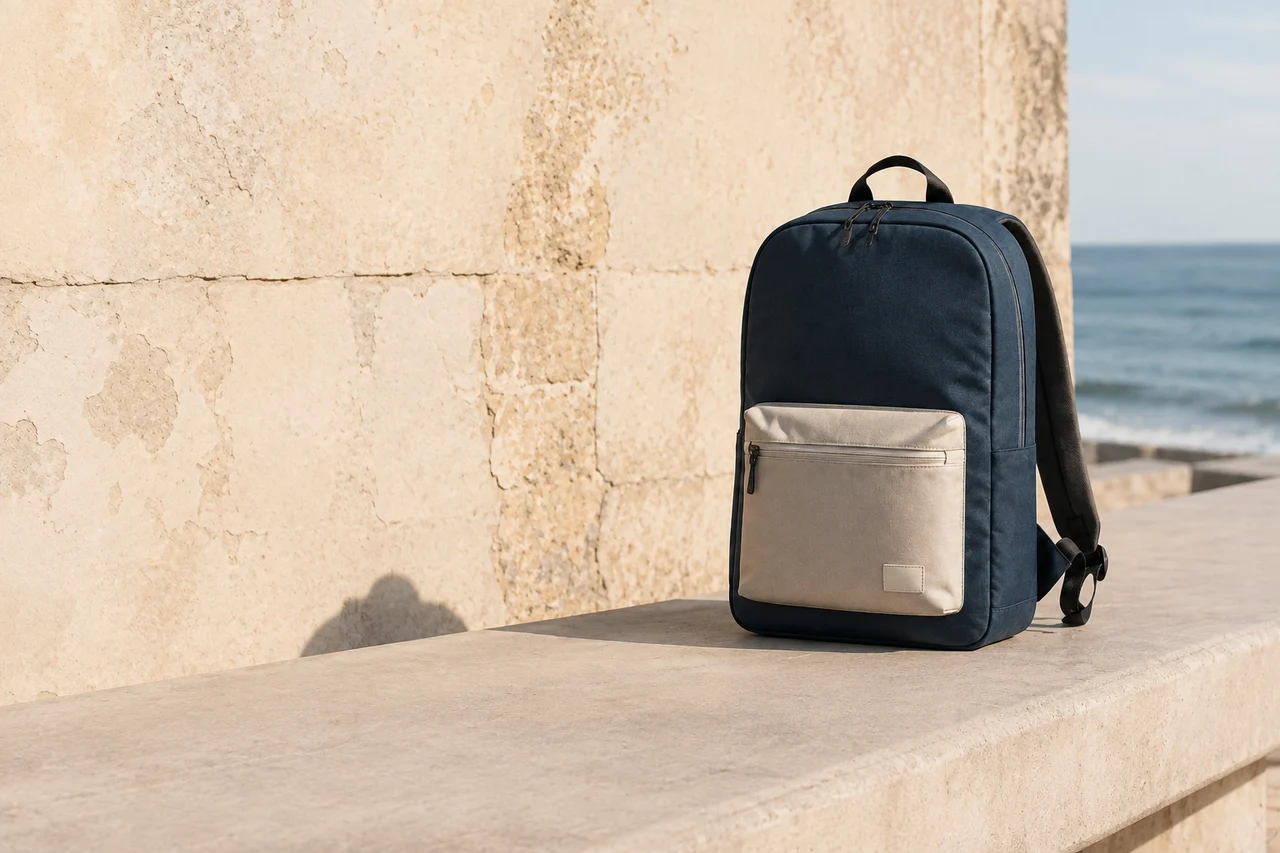
Pack for two nights. Leave the rest.
DAYFORM is fictional. These campaign examples use generated product photography, not customer work or measured results.
For the commuter campaign, the page needs to answer a practical question before anything else. Will my laptop fit?
The page answers the buyer's questions.
The follow-up helps them use what they bought.
SLATE & NATURAL / 18 L
Keep your laptop in its padded sleeve and the things you reach for in the front pocket. There is room for lunch, too.
Check the fitLaptop in the padded sleeve. Keys in the front pocket. The rest is up to you.
Find your fitA useful follow-up to an order.
Marketing messages need the customer's consent.
Which small backpack fits a 13-inch laptop?
The sleeve is designed for laptops up to 13 inches. Check the dimensions of your device, including its case, against the sleeve before choosing.
Sleeve dimensions and a fit guide belong on the product page. Screen size alone is not a complete fit specification.
A crawlable page, the right canonical URL and consistent product facts help make the information accessible. None guarantees a search ranking or inclusion in an AI answer.
Audience response
Pick a buyer and a point in their decision.
Consider what might change their mind.
The working dayCampaign directionA daily commuter / First encounter
The destination catches the eye, but may not answer the workday need.
Price and competing alternatives remain assumptions, even when they are not foregrounded in the campaign.
These are possible pathways written to explain the model's questions, not simulated people or forecasts. The diagram does not encode audience size, probability or measured influence.
Keep the prediction. Run an eligible test. Compare it with what actually happens.
Explore the simulation system →Move to inspectOriginal dimensional concept study. Campaign photography is an illustrative interpretation, not a manufacturing specification.
In your account, the chosen work becomes an assignment with its own connections and approvals. Nothing on this page publishes, sends or spends.
Working in Signyl →What the model has to explain
A useful result shows more than a preferred option. It shows who might respond differently, how that response could develop, and which assumptions could overturn the conclusion.
The alternative may do no better than the baseline. Knowing that before a commitment is useful, too.
Does a new customer have the same reason to act as someone who already trusts you?
Does an offer work differently after someone has seen the campaign, tried the product or heard from a friend?
What changes if a competitor responds, attention becomes more expensive or the product is unavailable?
Which uncertain assumption matters enough to measure next?
Confidence has a context
Confidence depends on the audience, decision, measure and time horizon. See where a model has been tested and how well that evidence matches your question. Evidence for ranking messages does not automatically establish accuracy for pricing, retention or sales.
Signyl keeps observed facts, inferred beliefs and hypothetical futures distinct. A simulated explanation is not customer testimony. A narrow band of simulated outcomes is not proof that all sources of uncertainty are small.
When evidence is weak, the result identifies what is missing and what to measure next.
Back to the world
Keep the prediction as it was. Design an eligible test. Prepare the approved creative and campaign. Then put the actual outcome beside the forecast.
Decisions and their resultsBaseline, alternatives, assumptions and the evidence behind them.
Turn a chosen direction into work with its own permissions, budget and approval.
Score against the observed result without rewriting the original prediction.
Public information and a brief can support an exploratory scenario. They cannot establish your conversion rates, customer history or causal response. The result identifies missing inputs and the assumptions it uses.
Consented interviews, surveys, account data and observed behavior can constrain the population and its starting state. Stated intent is not treated as a purchase, and source quality remains visible.
No model can guarantee an individual's future behavior. The goal is useful, tested estimates of possible responses and their distribution.
No. A simulation has no publishing or spending authority. Preparing an action creates separate work subject to your account's permissions and required approvals.
Connection permissions and the work's scope govern access. Authorized inputs may be processed through the model and service providers used for the assignment. Do not upload material you are not authorized to use. Read the privacy policy.